
Loading...
Serving Port Charlotte, FL and surrounding areas. (941) 246-0621
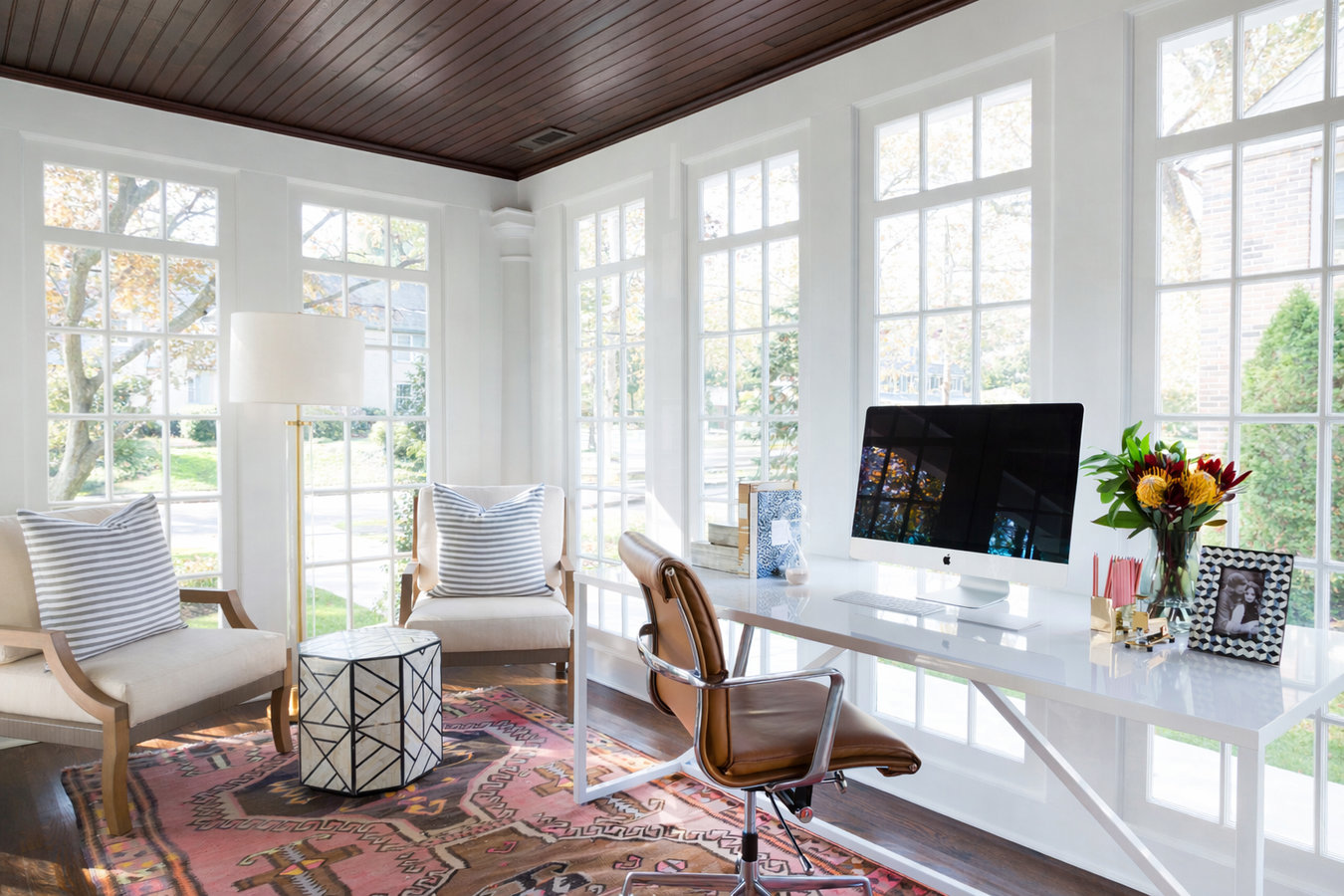
Most Port Charlotte patios sit empty half the year. Good sunroom design solves that - choosing the right glass, orientation, and foundation for this climate so the space works for you every month.
Sunroom design in Port Charlotte, FL covers the full planning process - choosing the type of room, selecting glass and materials rated for this climate, and getting the permit and HOA approvals in place before a single board is cut, with most projects moving from first consultation to permit approval in four to six weeks.
A lot of homeowners come to us knowing they want more outdoor living space but not knowing which type of room fits their home, their budget, or their HOA. That uncertainty is exactly what the design phase resolves. We look at which direction your outdoor area faces, how your foundation sits, and how you actually plan to use the space - whether that is a reading nook, a dining room with a view, or somewhere to keep plants alive year-round. In Port Charlotte, those answers change which materials and glass coatings we recommend, because a room that works beautifully in January needs to stay livable in July too.
If you already know you want something fully custom - your own footprint, your own finishes - our custom sunrooms service starts from the same design-first approach and takes it further. Both paths start with an in-home consultation, not a phone estimate.
Port Charlotte's warm, humid climate means bug season is essentially year-round, and afternoon temperatures from May through September make an unenclosed outdoor space genuinely uncomfortable. If you have a lanai or screened porch you love in January but abandon by June, a properly designed sunroom - with the right glass, ventilation, and cooling - solves that problem directly. You paid for that square footage; you should be able to use it.
Many Port Charlotte homes were built with a basic screened lanai that works well in winter but turns into a heat trap by summer. If your space has no insulated glazing, no ceiling fan, and no connection to your home's air conditioning, it is not designed for this climate. That is not a comfort preference - it is a design gap, and the right upgrade path starts with understanding what your current structure can support.
If your home feels cramped - no quiet place to read, work remotely, or seat guests comfortably - a sunroom adds livable square footage without the cost and disruption of a full addition. It is one of the most cost-effective ways to gain a room that feels open and connected to the outdoors while still being temperature-controlled and usable year-round.
In Port Charlotte's active real estate market, a permitted and well-built sunroom is a feature buyers notice - especially seasonal buyers from colder climates who are specifically looking for a home where they can enjoy the Florida lifestyle. If you are thinking about selling, a sunroom adds a genuine selling point. A poorly built or unpermitted one can do the opposite, so doing it right matters from the start.
Our sunroom design process starts with an in-home consultation, not a price sheet. We look at your outdoor space, discuss how you plan to use the room, and talk through which type of structure fits your home, your budget, and your neighborhood. For homeowners in deed-restricted communities - which covers a large share of Port Charlotte - we handle the HOA submission paperwork and help you understand what is and is not allowed before any plans are drawn. From there we prepare the design drawings needed for Charlotte County's permit application, manage the application itself, and stay involved through inspection and final walkthrough.
The design phase is where glass selection happens, and this is one area where local experience matters. Low-emissivity glass - commonly called low-e glass - blocks heat while still letting in natural light, which is the practical choice for anyone who wants to use their sunroom in summer. The Florida Solar Energy Center provides research-backed guidance on glazing performance in Florida's climate, and we use that guidance when recommending options to clients. If your project will eventually become a vinyl sunroom, the design phase is also where we confirm the frame material, roof profile, and foundation approach that will carry that finished room.
Homeowners at the early stage who want a clear picture of what is possible before committing to anything - no sales pitch, just honest answers.
Homeowners who want a screened, covered outdoor room that is comfortable in mild weather - a more budget-friendly entry point.
Homeowners who want a fully insulated, climate-controlled room they can use comfortably through Port Charlotte's hottest months.
Homeowners with an existing screened lanai who want to enclose it into a full sunroom without starting from scratch.
Homeowners in deed-restricted communities who need design drawings and materials lists formatted for their association's architectural review.
Homeowners who want construction drawings submitted to Charlotte County's building department with no back-and-forth delays.
Port Charlotte sits in a high-wind zone under Florida's statewide building code, which means any sunroom built here must be designed to handle hurricane-force wind loads. That requirement shapes every part of the design - framing systems, glass ratings, anchor connections, and roof structure. A contractor pulling design plans from a catalog built for central Florida or the Midwest is not designing for this market. Charlotte County's building department reviews those plans specifically for local wind requirements, and plans that do not meet them come back for revisions that delay your project by weeks. Getting the design right the first time is faster and cheaper than fixing it during permit review. Homeowners in areas like Rotonda West and Englewood face the same Charlotte County requirements, and we handle permit submissions for both.
The soil and drainage picture in Port Charlotte also affects foundation design in ways that are easy to overlook. Much of the area was developed on fill soil over low-lying land, and the water table in many neighborhoods sits close to the surface. A slab that is poured too thin or without proper drainage can shift, crack, or allow moisture to wick up through the floor over time. We assess the foundation situation during the design consultation - not after work starts - so those decisions are built into the plan from the beginning. The National Association of Home Builders recommends site evaluation as a standard step in any addition project, and it is something we do on every job here.
When you reach out, we ask a few short questions - how you plan to use the space, rough size, and whether you have HOA restrictions - so we can prepare for the site visit. You do not need to have all the answers. We reply within one business day and schedule from there.
We visit your home to look at the space, take measurements, assess the foundation situation, and walk through your options in person. This is when we talk about which direction the room faces, what glass and glazing makes sense, and what your budget realistically gets you in this market.
After the site visit we put together a written proposal with a detailed scope of work and a price. Once you approve it, we prepare the construction drawings needed for the Charlotte County permit application. If your HOA needs to review the design first, we handle that documentation as well.
We submit the permit application to Charlotte County and manage the review process. Permit approval typically takes two to four weeks. Once approved, we schedule your construction start date and walk you through the build timeline before work begins - no surprises on schedule or cost.
Free in-home consultation. No obligation. We know Charlotte County's permit process and HOA requirements.
(941) 246-0621We submit permit applications directly through Charlotte County's Building Division on every project. We know what the reviewers look for, how long approval takes in different seasons, and how to prepare drawings that come back approved - not revised. That means your project starts on time.
Port Charlotte has a large number of deed-restricted communities, and skipping HOA approval is one of the most common and costly mistakes homeowners make. We check your HOA requirements during the design consultation - before any contract is signed - and prepare the submission package your association needs. What gets approved is what gets built.
We recommend low-e glass on every Port Charlotte project where year-round use matters. It blocks heat while letting light in - which means the room stays comfortable in July without overloading your air conditioning. That recommendation comes from building here, not from a product brochure.
Every design we produce is prepared for Charlotte County's high-wind zone requirements. That covers the framing system, the anchoring connections, and the glass specifications. A county inspector verifies this during the inspection phase. You will receive documentation confirming the finished room meets those standards.
These are not separate add-ons - they are part of every project we take on. When you call us for sunroom design in Port Charlotte, you are working with a contractor who has navigated this county's permit office, dealt with HOA architectural review boards, and built rooms that hold up through hurricane season.
Low-maintenance vinyl-framed sunrooms built for Port Charlotte's humidity and heat - no painting, no rust, and solid weather resistance.
Learn MoreFully custom sunroom builds designed around your home's footprint, your style preferences, and your HOA requirements.
Learn MoreContractor availability in Port Charlotte fills up fast once season starts - reach out now to hold your spot before the fall rush.